

Platinum Price Forecast: Top Trends for Platinum in 2026
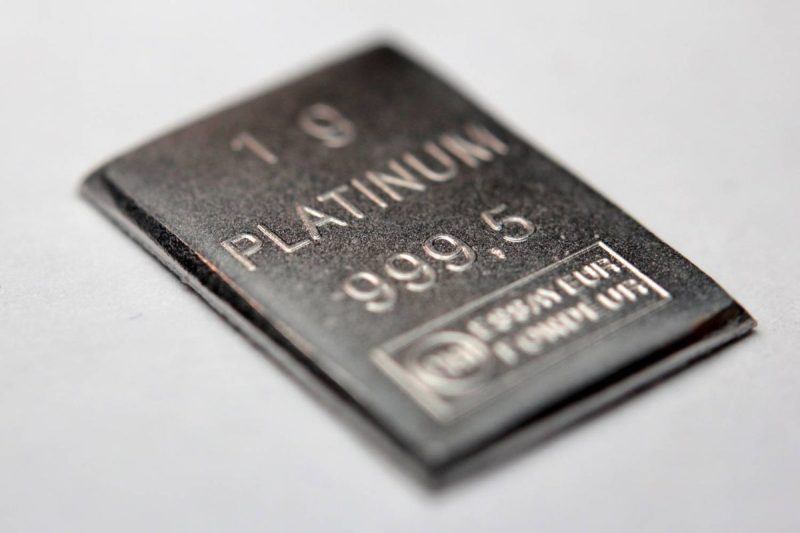
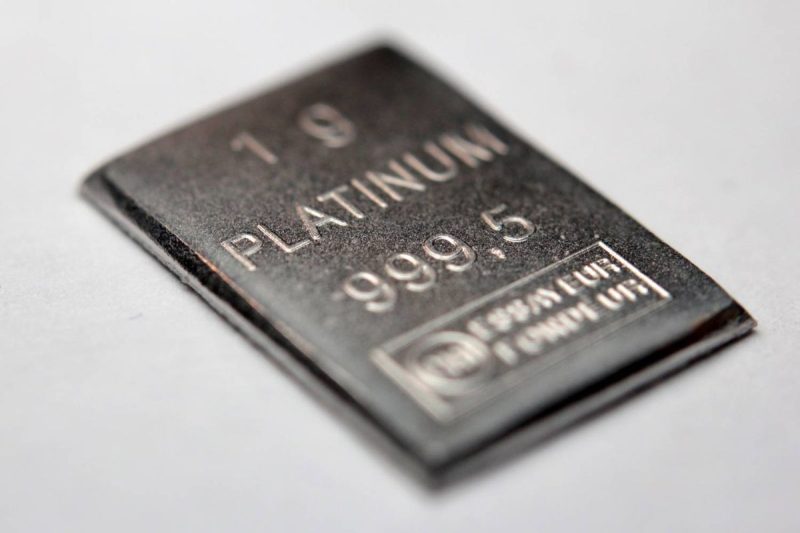
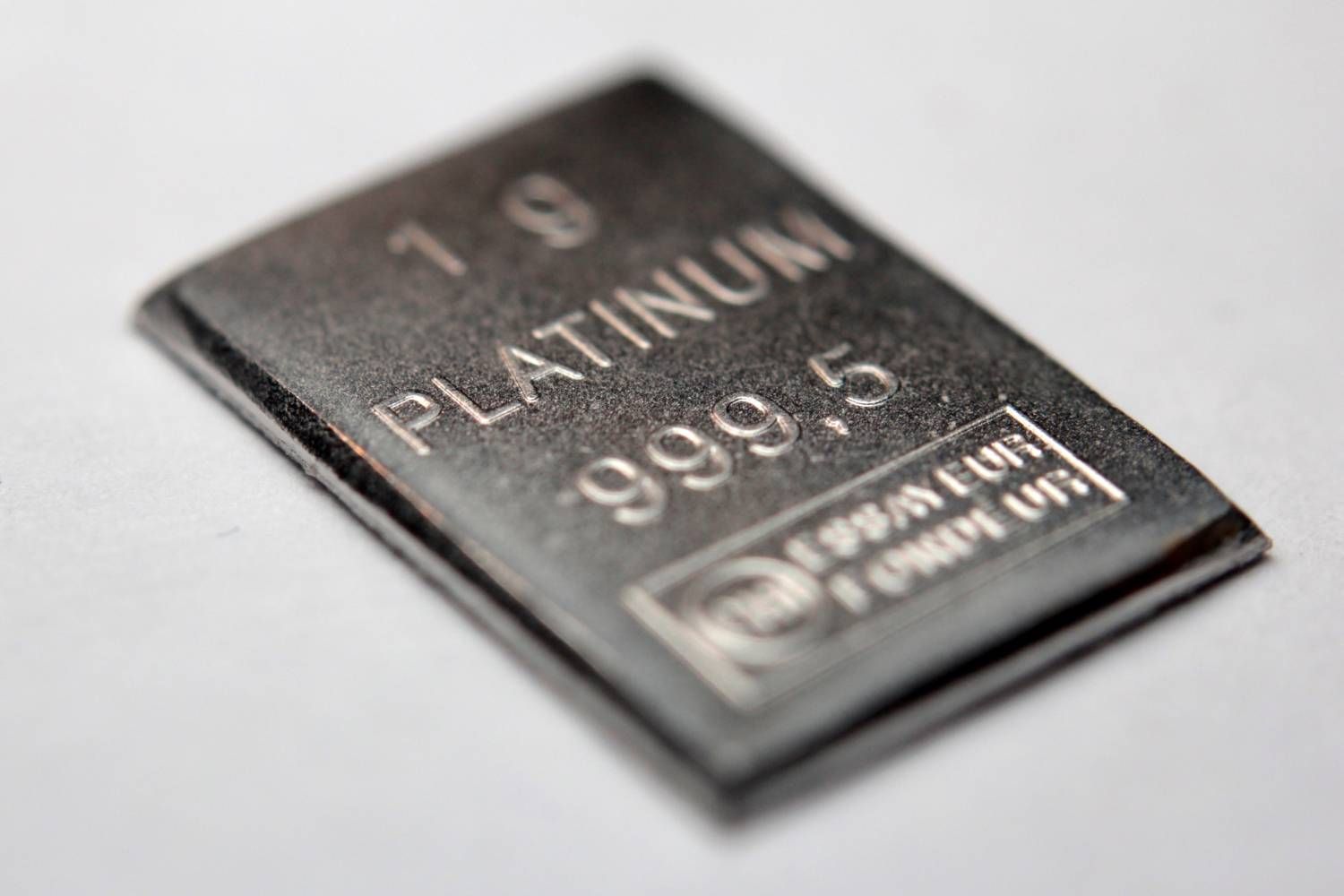
The platinum price surged more than 90 percent from Q2 on in 2025, passing US$1,900 per ounce in December.
After silver, platinum was easily the second best-performing metal in terms of price for the year.
Some of its gains were due to strong industrial demand from the automotive sector and emerging clean energy technologies. And as a precious metal, interest rate cuts by the US Federal Reserve have boosted investment demand.
However, the biggest factor moving platinum’s price is the projected supply shortfall of more than 692,000 ounces for the year. Will these trends carry on in to 2026? Read on to learn more about what analysts believe is in the cards.
Automotive sector still leads for platinum demand
The automotive industry is easily the largest demand sector for platinum.
Both platinum and palladium can be used in catalytic converters, which help eliminate toxic emissions from vehicle tailpipe gases. As their prices fluctuate, platinum and palladium tend to be swapped.
Even so, in its latest platinum quarterly, released on November 19 and prepared by Metals Focus, the World Platinum Investment Council (WPIC) is reporting that demand for platinum from the auto sector will drop 3 percent in 2025 to 3.02 million ounces, followed by another 3 percent decline to 2.915 million ounces of the metal in 2026.
This is due in large part to the transition from internal combustion engines to electric vehicles (EVs).
That said, the clean energy transition is happening so slowly that its impact on the platinum market is fairly subdued.
Hydrogen tech a long-term demand growth driver
Platinum is also a necessary material in the production of hydrogen electrolysis and fuel-cell technologies.
“Hybrid vehicles and hydrogen-powered vehicles still require platinum for exhaust treatment systems or fuel cells. WPIC forecasts that by 2029, fuel-cell EVs will account for only about 3 percent of automotive platinum demand; however, this is still considered a positive contribution,” Tran explained via email.
Platinum is a primary catalyst used in proton exchange membrane (PEM) fuel cells and PEM electrolyzers. Both are electrochemical devices that are used for clean energy conversion, but fuel cells use hydrogen to generate electricity, while electrolyzers use electricity to produce hydrogen.
Both PEM fuel cells and electrolyzers “are key technologies in the clean-energy strategies of the United States, Europe, and China. According to estimates from WPIC and the (International Energy Agency), if hydrogen projects progress on schedule, global electrolyser capacity could expand significantly in the second half of this decade, driving platinum demand related to hydrogen higher than current levels,” wrote Tran.
Platinum shines like gold for investors
Even as total demand for platinum is projected to fall by 5 percent to 7.82 million ounces in 2025, according to the WPIC, investment demand for platinum is expected to be up by 6 percent to 742,000 ounces.
Platinum is benefiting from the general trend toward safe-haven investment in precious metals as the Fed reverses its course monetary policy and moves toward lower interest rates.
With the gold price at record highs, investors are seeking out cheaper alternatives translating into rising inflows into platinum exchange-traded funds, and increased purchasing of physical bars and coins.
‘In terms of physical bar and coin demand, this year has been very much characterized by significant strength and demand out of China. So the Chinese market has just been growing basically from more or less zero back in 2019 to becoming the biggest market in the world for platinum investments products,’ said Sterck. ‘I think that momentum is likely to continue, but maybe not at quite the same sort of pace going into 2026.’
However, for 2026, the WPIC sees investment demand falling by 52 percent to 358,000 ounces, dampened by potential profit taking on the part of platinum exchange-traded fund (ETF) holders. Meanwhile, platinum bar and coin demand is expected to remain elevated, posting gains of 37 percent to 462,000 ounces.
Overall, the WPIC is forecasting total platinum demand to drop another 6 percent to 7.385 million ounces in 2026. This is still just slightly below the ten-year average, demonstrating the robust nature of demand for the metal.
Platinum miners still facing obstacles
More than 70 percent of the world’s total platinum mine supply comes from South Africa. The top platinum-mining countries are Zimbabwe (11 percent) and Russia (10 percent). Canada and the US round out the top five, but even together these two North American countries represent a mere 4 percent of global platinum production.
“This concentration makes the platinum market more vulnerable to mining disruptions or geopolitical risks in these countries,” stated Tran. “Throughout most of 2025, the supply and demand landscape for platinum has shifted significantly. Years of low prices placed considerable pressure on the mining sector, forcing companies to cut output, delay investments, or shut down operations with low profit margins. This led to a tightening of supply just as inventories declined after nearly three consecutive years of being drawn down by automakers to cover shortages.”
Refined production is expected to contract by 5 percent this year, at 5.51 million ounces compared to 5.77 million ounces in 2024. Platinum recycling will result in 1.619 million ounces of new supply in 2025, up 7 percent.
As such, platinum supply is forecast to decrease by 2 percent in 2025. According to the WPIC, it will come in at 7.404 million ounces. The organization notes that the resulting demand/supply imbalance is predicted to reach 692,000 ounces in 2025, representing a supply deficit for the third straight year.
“Demand for the metals constantly surpasses the supply. The situation becomes worse due to the tariffs, sanctions and supply disruptions,” said Murillo. While US President Donald Trump’s tariffs present a new wild card for many commodities markets, platinum included, South Africa’s power outages, heavy rain, increased mining costs and declining platinum grades also dragged down production of the metal in 2025.
Platinum market surplus expected in 2026
For 2026, total platinum supply is set to reverse course and grow by 4 percent to 7.4 million ounces.
Although the WPIC has predicted a surplus of 20,000 ounces in 2026, that’s still way below the 1,083 surplus set in 2022 during COVID. Calling the surplus “tiny”, Sterck emphasized that this forecast is highly predicated on a number of factors, namely assumed profit-taking in ETFs, CME inventories and entrenched structural supply challenges.
“If you look at our numbers, we’re expecting 170,000 ounces of profit taking from ETFs in 2026, which is obviously going to be contingent in itself on a high platinum price. I would say that there is probably a bit of a risk associated with that outlook,” he said. “The second area where the surplus of 20,000 ounces is contingent on is on 150,000 ounces flowing out of CME exchange stock inventories and being made available to the market.”
Sterck explained that if these two assumed events do not materialize in 2026, then the platinum market will remain in “a quite substantial deficit of approaching 400,000 ounces.’
He also pointed out that higher platinum prices will not necessarily solve the issues that led to a shortage of above ground platinum stocks and a deep deficit for the past three years.
“The main thing we’re dealing with here is that these are deep level, underground mines for the most part, and they’re not mines that you can flex output from rapidly,” said Sterck.
“Realistically, mine supply is likely to be at or around current levels for the foreseeable future.”
Platinum price forecast for 2026
Moving into 2026, some of the most consequential trends that could shape platinum prices include a shifting landscape for investment demand, continued mine supply constraints, and an economic slowdown.
“Altogether, high demand and supply deficit with international logistics problems make these metal prices go up. Both platinum and palladium were peaking throughout this year, reaching around US$1,700 per ounce. It’s important to understand that the supply deficit problem will not be solved overnight,” said B2Broker’s Murillo.
“So in 2026, the same situation might persist, and the prices will remain elevated at US$1,550 to US$1,670. If more supply shocks happen, they could even move up to US$2,340, but less likely.’
If safe-haven investment demand for alternatives to gold continues alongside persistent supply challenges in platinum, XS.com’s Tran sees platinum maintaining the US$1,800 per ounce range for 2026 with room to grow.
“In the medium term, the scenario of extending the rally toward around US$2,000 per ounce remains feasible, especially if the Fed maintains a dovish trajectory, capital flows continue rotating into metals beyond gold, and supply from South Africa does not recover more strongly than expected,” said Tran.
The expert cautioned that with platinum trading at multi-year highs and the market’s vulnerability to global economic fluctuations there is just as much potential for technical pullbacks.
Securities Disclosure: I, Melissa Pistilli, hold no direct investment interest in any company mentioned in this article.